
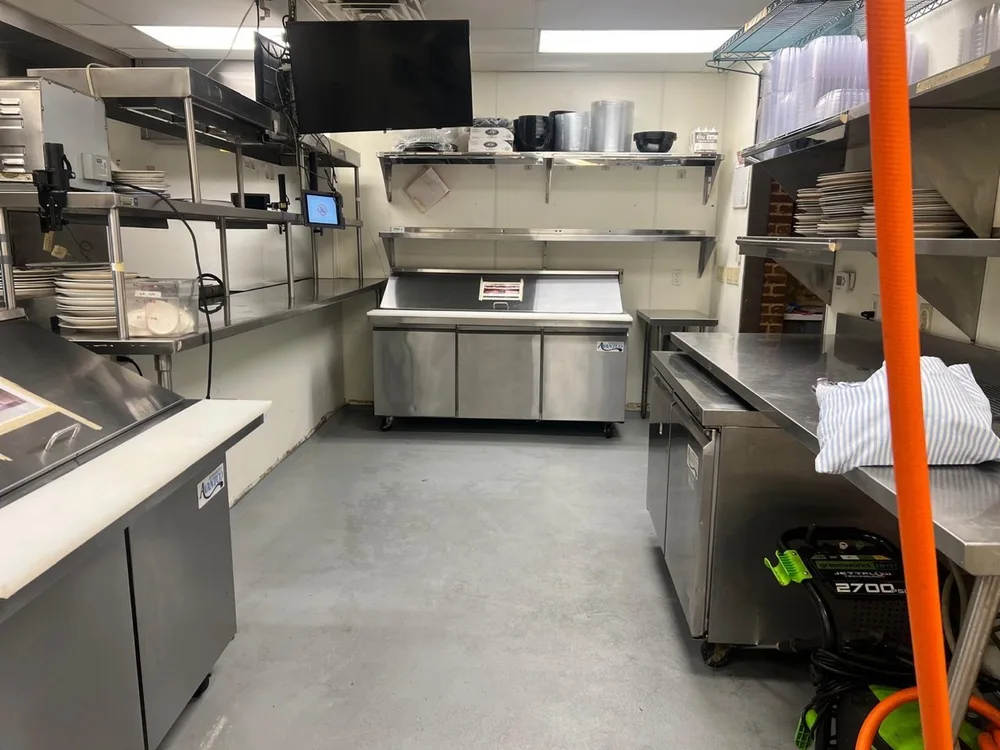
The renovation looks finished, but dust on the ledges and residue around the fixtures can make it feel otherwise. Before booking the final clean, check which trades still need to return. Getting the order right helps avoid cleaning a room only to have more work leave it dusty again.
Walk through this list with your project contact. Confirm what is ready, what still needs work and which cleaning tasks are included before choosing the date.
1. Check what is actually finished
One contractor may be finished while another still needs to sand, paint or install fittings. Check the rooms you want cleaned rather than relying on a general “we are done.” Look for these basics:
- Major trade activity is complete in the areas being reviewed
- Finished surfaces are installed and accessible
- Paint, coatings, adhesives, or sealants have reached the condition required by their installers
- Temporary protection to be removed is clearly identified
- Utilities, lighting, and access needed for the requested work are available
- The responsible site contact can confirm readiness and answer questions
If one part of the building is ready and another is still a worksite, describe them separately. A phased plan may make more sense than treating the whole property as ready.
2. List the rooms that need cleaning
A marked floor plan or a simple room list works well. Include the rooms, corridors and entrances that need cleaning, then point out any areas that are staying closed.
For projects in King of Prussia, Bristol, Philadelphia and nearby communities, tell us what has been built or renovated and when you need the space ready.
3. Separate remaining trade work from cleanup
Who is taking away the leftover materials? Who is removing protective film? Settle these questions with the contractor and cleaning company before the visit, rather than expecting one team to pick up everything the other leaves behind.
| Condition | Question to resolve |
|---|---|
| Loose construction debris | What must be removed by the trade or disposal team before cleanup? |
| Labels, films, adhesives, or residue | Which items are approved for removal and what material is underneath? |
| Unfinished repairs | Will patching, painting, caulking, or installation continue after cleaning? |
| Tools, lifts, ladders, and stored materials | Who moves them, and when will affected areas become accessible? |
| Hazardous or regulated material | Has the appropriate qualified party handled it outside the cleaning scope? |
4. Share the care instructions for new surfaces
New floors, glass, counters and cabinets may come with care instructions from the installer. Share those instructions and point out scratches, unfinished areas or residue before cleaning starts. That helps everyone understand the condition of the space.
If you know what the residue is, say so. Adhesive on glass and fine dust on a counter are different jobs. The surface underneath matters, too.
5. Plan dust work from high to low
Dust settles on more than the floor. Look at reachable ledges, trim, doors, frames and fixtures, and ask which areas the cleaning covers. High, concealed or specialist areas need a separate discussion.
Ask the project team about the ventilation system and any work that is still spreading dust. Cleaning visible surfaces will not solve an ongoing dust source.
6. Take a closer look at glass, floors and fixtures
Walk through the areas people will notice when they first enter. Point out what you want addressed and confirm what is included:
- Interior glass, doors, partitions, and reachable frames
- Floor type, protection removal, edges, corners, and visible residue
- Restroom fixtures, partitions, mirrors, counters, and floors
- Break-room or kitchenette surfaces and appliance exteriors
- Reception, conference, lobby, and other presentation areas
- Final waste collection points and removal responsibilities
7. Coordinate the punch list and final walkthrough
Will the contractors inspect the space before or after cleaning? Are they coming back to finish a punch list? Agree on the order and ask whether a return clean would be needed after further work.
Choose one person to gather questions and confirm decisions. A shared list is easier to follow than several people giving different instructions onsite.
8. Have a plan if the schedule changes
If the completion date slips or a room is still blocked, let the cleaning company know as soon as possible. Discuss whether to move the visit, clean only the ready areas or arrange additional work. A short conversation can prevent a wasted trip.