
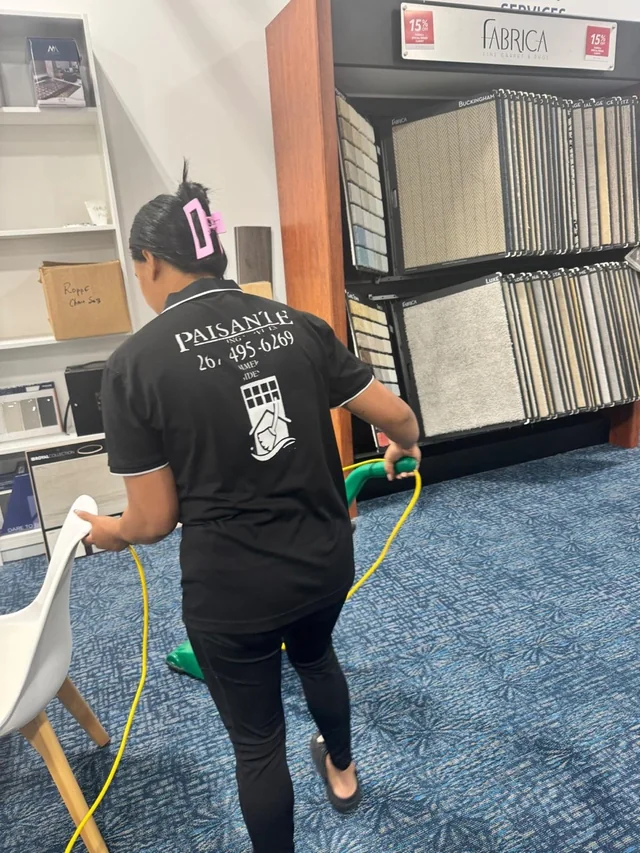
If the break room looks tired by Wednesday but half the desks stay empty all week, one schedule may not fit every part of your office. Start with how people actually use the space, not just the number of desks on the floor plan.
Here are a few ways to think through a cleaning routine for your Greater Philadelphia office. Use them as starting points, then discuss the rooms, tasks and timing your workplace needs.
Start with your busiest days
Look at a normal week. When is the team in? Which days bring clients, deliveries or long meetings? In a hybrid office, Tuesday may be much busier than Monday. A clean before the busy day will not take care of the mess left afterward.
Include contractors, visitors and shared-space users if they affect the areas your business is responsible for. Separate cleaning inside your suite from common building areas managed by someone else.
Some rooms need more attention than others
Restrooms and break rooms
Take a look at the kitchen and restrooms during the working day. Are bins filling up, counters getting sticky or supplies running low? Discuss what the cleaning visits should cover and who handles spills and restocking between them.
Entrances and visitor areas
Walk in through the entrance a visitor uses. Notice the mats, glass, floors and meeting space. Rain and a busy day can change their appearance quickly, so decide who handles anything that needs attention before the next cleaning visit.
Workstations, meeting rooms and floors
Identify accessible surfaces, rooms in regular use and spaces that remain mostly unoccupied. Confirm how employees should prepare desks and where cleaners should avoid documents or equipment. Tell the cleaning company about floor materials and product restrictions.
What could your schedule look like?
- Small, lightly used suite: discuss a weekly starting schedule, with your own checks of restrooms and shared areas between visits.
- Office with concentrated attendance: discuss visits after the busiest days rather than choosing evenly spaced days automatically.
- Busy, visitor-facing workplace: discuss more frequent service for high-use areas and how immediate issues will be handled throughout the day.
Watch what happens between visits. If bins overflow or the restrooms need attention sooner, the plan needs adjusting. That could mean a different task list, clearer responsibilities or more frequent visits.
Make sure the timing works for the building
Whether your office is in Philadelphia, King of Prussia or Conshohocken, your building contact can explain entry arrangements and permitted cleaning hours. Check which common areas the building already takes care of, too.
Explain whether the space will be occupied during cleaning and whether meeting rooms must be available at certain times. Preferred timing can be requested; Paisante confirms its availability before scheduling.
Review results after the first few visits
Have one person gather feedback from the team. Keep it specific: “The break-room floor needs attention after our Wednesday meetings” gives everyone something useful to work with. Also check whether a task was missed or whether the room simply got dirty again after it was cleaned.
Use the commercial cleaning comparison guide to check what each arrangement includes. A frequency decision is only useful when the tasks and responsibilities are equally clear.
Office cleaning frequency questions
Can every room have a different schedule?
Discuss different priorities and intervals for different areas. Any agreed arrangement should make clear what happens at each visit.
Does recurring office cleaning include a tenant move-out?
Do not assume it does. A vacant suite or change of occupants may need commercial turnover cleaning with separate tasks and timing.
Can I request cleaning outside office hours?
Yes, you can share your preferred timing. Availability and building access must be confirmed before relying on that schedule.