
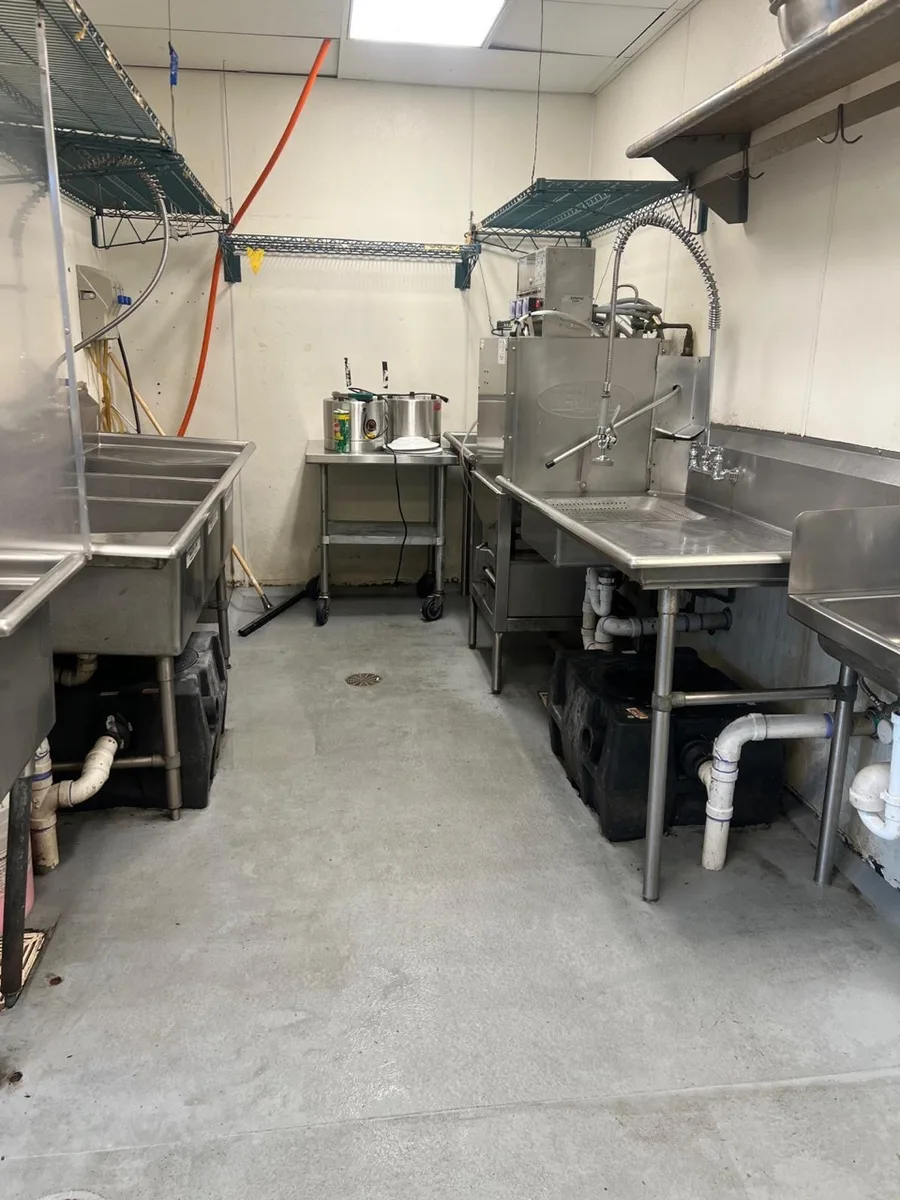
A tenant has moved out and the next showing is already on the calendar. Before arranging the clean, take a look at what is still in the space and what needs fixing. A short plan helps keep cleaning, repairs and the key handoff from getting in each other's way.
This guide is for offices and other commercial spaces between occupants. Use it to talk through the rooms, deadline and work needed before the next person arrives.
1. Take a look before the last items leave
Walk through and make a few dated notes before the remaining items are moved. Photos can help you remember which marks, stains or repairs were already there. Keep private documents, screens and personal information out of the pictures.
- Rooms and areas included in the turnover
- Furniture, equipment, supplies, or personal property still present
- Visible damage, staining, residue, or maintenance issues
- Waste, abandoned materials, or items awaiting removal decisions
- Floor, wall, glass, restroom, and break-room condition
- Spaces that are locked, occupied, or otherwise inaccessible
2. Decide what happens to items left behind
An old chair, a box of files or equipment in a corner may look abandoned, but the cleaning team should not have to guess. Decide what stays and who will remove the rest before the cleaning date.
Label the items or make a quick room-by-room list. If removal is being handled separately, confirm when it will happen so the cleaning can reach the areas underneath and behind them.
3. Confirm access and utilities
An empty building can still have locked rooms, disconnected utilities or limited entry hours. Before the visit, check:
- Keys, codes, loading access, elevators, parking, and sign-in procedures
- Working lighting, water, and any other utilities needed for the reviewed scope
- Building hours and security or lock-up responsibilities
- Restricted rooms or spaces requiring an escort
- One property contact available for condition or access questions
Planning a turnover in New Hope, Doylestown or Philadelphia? Include the location, current condition and deadline in your request so we can discuss availability.
4. Make a room-by-room cleaning list
Work through the property room by room. This list helps you decide what to ask about and what to check afterward.
| Area | Turnover details to document |
|---|---|
| Entrances and reception | Glass, doors, floors, counters, visible surfaces, and presentation priorities |
| Offices and work areas | Furniture status, drawers or cabinets, wall marks, floors, and remaining equipment |
| Conference and shared rooms | Tables, fixtures, glass, floors, and items awaiting removal |
| Restrooms | Fixtures, partitions, mirrors, counters, floors, supplies, and maintenance issues |
| Break rooms | Cabinets, counters, sinks, appliance status, floors, and discarded food or supplies |
| Storage and utility spaces | Access, contents, shelving, exclusions, and safety restrictions |
5. Separate repairs from cleaning
A clean can improve how a space looks, but it will not repair a leak, broken fixture or damaged floor. List those jobs separately and arrange the order with the people doing them. Painting or repairs after cleaning may leave new dust or marks.
Our commercial turnover cleaning starts with what the space needs and when it needs to be ready. Tell us about repairs still planned so we can discuss the timing.
6. Tell us what needs to happen next
If you need the space ready quickly, tell us what is coming next and the date. Is it a showing, photographs or the new tenant moving in? That gives the cleaning request a clear target.
- Broker photography or marketing preparation
- Prospective-tenant showing
- Owner or property-management inspection
- New occupant access
- Final key transfer or commercial handoff
Work back from that date, allowing time for repairs, cleaning and a final check. If plans change, update the cleaning company before the visit whenever possible.
7. Choose someone for the final check
Choose one person to check the agreed work and raise any questions. Bring the room list along so everyone is looking at the same details. If you want something extra, discuss it before assuming it is included.
- Walk through each room on the agreed list.
- Point out the exact spot if something needs attention.
- Keep cleaning questions separate from repairs or items awaiting removal.
- Discuss any extra work before adding it to the plan.
- Let the cleaning team know who will confirm the work is complete.